

If you want to take your company to the next level, understanding business growth strategies is essential. Growth doesn’t just happen—it’s the result of planning, experimentation, and consistent action. Whether you’re running a small startup or managing a well-established business, the right strategies can help you increase revenue, attract new customers, and improve efficiency.
In this article, we’ll break down the most effective strategies in a clear, user-friendly way, so you can start implementing them today.
1. Understand Your Market and Customers
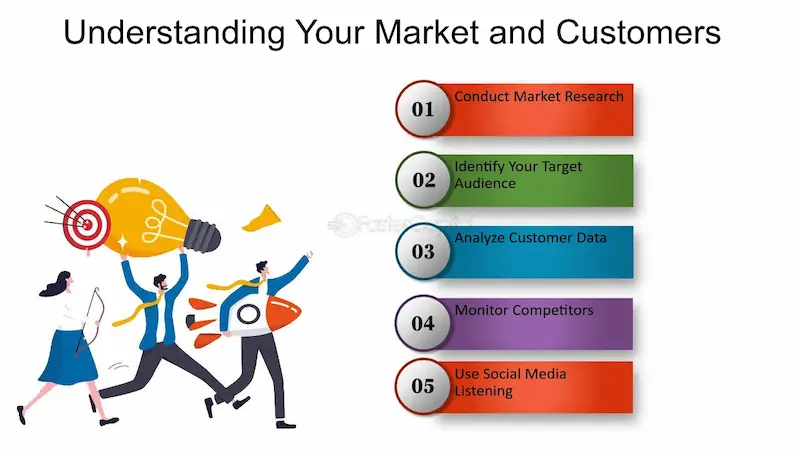
The foundation of any business growth strategy is a deep understanding of your market and customers. Knowing who your ideal customers are and what they need allows you to create products, services, and marketing campaigns that resonate.
Steps to understand your market:
- Conduct Market Research: Analyze industry trends, competitor offerings, and consumer behavior. Tools like Google Trends, Statista, and market reports can help.
- Segment Your Audience: Identify demographics, buying behavior, and preferences to tailor your marketing.
- Use Customer Feedback: Regular surveys, social media polls, and reviews provide insights into what customers value most.
Example: A local coffee shop discovered that its younger customers preferred plant-based milk options. Adding almond and oat milk to the menu increased both customer satisfaction and sales.
2. Diversify Your Products or Services
Relying on a single product or service can limit growth. Diversification allows businesses to expand their offerings and capture more of the market.
Ways to diversify:
- Complementary Products: Offer products that complement your main offerings. Example: A smartphone company selling accessories like chargers and cases.
- New Services: Introduce services that add value, such as a gym offering personal training or online fitness classes.
- Seasonal or Limited-Time Products: Limited editions create urgency and attract new customers.
Tip: Ensure that diversification aligns with your brand and target audience. Adding unrelated products may confuse customers and dilute your brand identity.
3. Expand to New Markets
Sometimes the fastest way to grow is to reach new markets—whether geographically or demographically.
Expansion strategies:
- Geographic Expansion: Open new stores in different cities or countries.
- Online Expansion: Launch e-commerce platforms to reach customers worldwide.
- Target New Demographics: Identify under-served customer groups and tailor products to their needs.
Example: A small apparel brand started selling online and shipping internationally. This online presence tripled revenue within a year.
Caution: Expanding too quickly can strain resources. Conduct thorough research before entering a new market.
4. Focus on Customer Retention
Acquiring new customers is important, but retaining existing ones is often more cost-effective. Loyal customers spend more and refer others, driving sustainable growth.
Customer retention strategies:
- Loyalty Programs: Offer points, discounts, or exclusive perks for repeat customers.
- Personalized Communication: Use emails or SMS to send personalized offers and updates.
- Exceptional Customer Service: Address complaints quickly and exceed expectations.
Example: An online bookstore used a loyalty program offering discounts and early access to new releases. Repeat purchase rates increased by 40%.
5. Leverage Digital Marketing
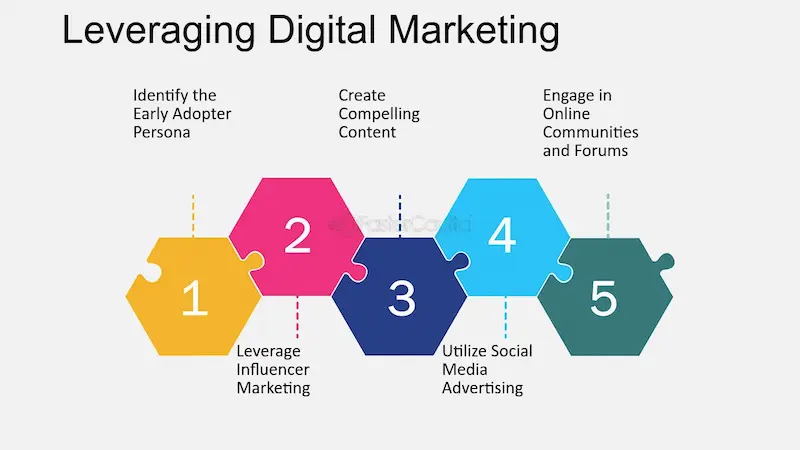
Digital marketing is essential for modern business growth. It allows you to reach a broader audience with measurable results.
Effective digital strategies:
- Search Engine Optimization (SEO): Optimize your website to appear in search results for relevant keywords.
- Social Media Marketing: Engage with your audience on platforms like Instagram, Facebook, LinkedIn, or TikTok.
- Content Marketing: Share blogs, videos, and infographics to educate and attract customers.
- Email Marketing: Maintain regular contact with personalized messages, offers, or newsletters.
Example: A small skincare brand grew its Instagram following through influencer collaborations and engaging content. This boosted online sales by 60% in six months.
6. Optimize Operations and Reduce Costs
Growth is not just about increasing revenue—it’s also about managing resources efficiently. Streamlined operations save money and free up resources for growth initiatives.
Ways to optimize operations:
- Automation: Use software to automate repetitive tasks like inventory management, billing, or customer service chatbots.
- Lean Management: Review processes regularly to eliminate inefficiencies.
- Employee Training: Well-trained staff work faster, make fewer errors, and deliver better service.
Example: A manufacturing company implemented automated inventory tracking, reducing waste and lowering costs by 20% annually.
You may also like to read this:
Digital Business Insights: Drive Smarter Decisions With Data
Corporate Strategy Tips: Expert Guide To Business Growth
Business Analytics Trends 2026: AI & Real-Time Insights
Actionable Small Business Insights For Entrepreneurs
7. Form Strategic Partnerships
Collaborations with other businesses can create opportunities for mutual growth. Partnerships can expand your reach, enhance your offerings, and build credibility.
Types of partnerships:
- Co-Marketing Partnerships: Promote each other’s products or services.
- Product Bundling: Combine complementary products for joint sales.
- Distribution Partnerships: Leverage another company’s distribution network to reach new customers.
Example: A fitness apparel brand partnered with a popular gym chain to sell co-branded workout gear in their stores, boosting sales and brand awareness.
8. Embrace Innovation
Innovation drives long-term growth by keeping your business competitive and relevant. Encourage creativity and technology adoption within your team.
Ways to innovate:
- Product Innovation: Regularly update or enhance products to meet changing customer needs.
- Process Innovation: Find better ways to deliver products or services efficiently.
- Marketing Innovation: Experiment with new channels, campaigns, and strategies.
Example: Netflix started as a DVD rental service but innovated into streaming, transforming the entire industry.
9. Monitor Key Metrics
You can’t improve what you don’t measure. Tracking metrics ensures your growth strategies are working.
Important KPIs to track:
- Revenue growth and profit margins
- Customer acquisition cost vs. lifetime value
- Website traffic and engagement metrics
- Social media reach and conversions
Example: An e-commerce business analyzed website traffic and discovered most visitors abandoned their carts at checkout. By simplifying the checkout process, they increased sales by 25%.
10. Focus on Sustainable Growth
Rapid growth can be exciting, but sustainable growth is what ensures long-term success. Avoid overextending resources, neglecting quality, or chasing trends without strategy.
Tips for sustainable growth:
- Balance short-term wins with long-term goals
- Reinvest profits wisely
- Maintain company culture and employee satisfaction
Sustainable growth ensures your business can adapt and thrive even during market changes.
FAQs
Q1: How long does it take to see results from business growth strategies?
It depends on the strategy. Digital marketing may show results in weeks, while market expansion or new product launches may take months.
Q2: Can small businesses use these strategies effectively?
Yes! Most strategies can be scaled for small businesses. Start small, test, and expand gradually.
Q3: Is customer feedback really important?
Absolutely. Feedback helps refine products, improve services, and identify new growth opportunities.
Q4: Which strategy should I start with?
Start by understanding your customers and improving retention. Once you know what works, expand into marketing, diversification, and new markets.
Conclusion
Effective business growth strategies are the backbone of a thriving company. From understanding your market, diversifying products, and expanding into new markets, to leveraging digital marketing, improving operations, and fostering innovation, each strategy plays a key role.
Focus on sustainable growth, monitor your progress, and adjust your approach as needed. With a clear plan and consistent action, your business can scale, stay competitive, and achieve long-term success.


