

If you’ve ever wondered what the world will look like in the next decade, exploring future technology trends is the best place to start. Technology is no longer just a part of our lives—it’s the driving force behind how we work, learn, communicate, and even think. From smarter AI to quantum computing, these innovations are redefining possibilities.
In this article, we’ll break down the most significant future technology trends, explain how they’ll impact our lives, and give you insights on what to expect.
1. Artificial Intelligence (AI) and Machine Learning (ML)
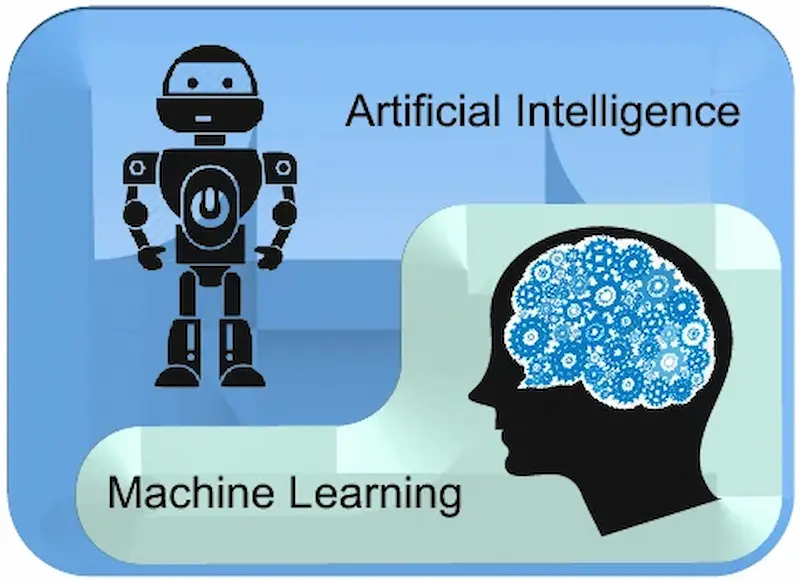
Artificial Intelligence and Machine Learning are at the forefront of technological change. These technologies are about more than just automation—they allow computers to learn from data, make decisions, and even mimic human reasoning.
- Generative AI: Tools like ChatGPT are just the beginning. Future AI can generate text, images, videos, and code automatically. This will transform creative industries, marketing, and software development.
- Predictive Analytics: Businesses are using AI to predict consumer behavior, detect fraud, and optimize logistics.
- Healthcare AI: AI is already helping in early disease detection, personalized treatment, and robotic-assisted surgeries.
Impact on daily life: From smarter virtual assistants to personalized learning platforms, AI will make services faster, more accurate, and increasingly tailored to individual needs.
2. Extended Reality (AR, VR, and MR)
Extended Reality combines Augmented Reality (AR), Virtual Reality (VR), and Mixed Reality (MR). These technologies are moving far beyond gaming and entertainment:
- Education: Students can explore virtual labs or historical sites without leaving their homes.
- Work: Remote collaboration through VR offices will become more realistic, bridging the gap between global teams.
- Healthcare: Surgeons can perform operations with AR overlays for enhanced precision.
- Retail: AR allows customers to virtually try clothes, furniture, or accessories before buying.
The future of extended reality will make digital experiences more interactive, immersive, and practical in everyday life.
3. 5G and Next-Generation Connectivity
The rollout of 5G networks is a game-changer, and the next generation of wireless connectivity promises even more.
- Smart Cities: 5G enables real-time traffic management, energy monitoring, and public safety solutions.
- Autonomous Vehicles: Faster, more reliable networks will make driverless cars safer and more responsive.
- IoT Devices: Connected devices, from home appliances to industrial machinery, will operate seamlessly.
By dramatically increasing speed and reducing latency, 5G will accelerate digital transformation across multiple sectors.
4. Internet of Things (IoT)
The Internet of Things connects everyday objects to the internet, allowing them to communicate and make decisions.
- Smart Homes: Thermostats, lights, and security systems will be fully automated and adaptive to your lifestyle.
- Healthcare: Wearables can monitor heart rate, sleep patterns, and even detect early signs of illness.
- Industry: Factories will use IoT sensors to predict equipment failures, reducing downtime and costs.
IoT will make our environments smarter, safer, and more efficient, from homes to workplaces.
5. Blockchain and Web3
Blockchain is no longer limited to cryptocurrencies—it’s reshaping the digital landscape:
- Web3: Decentralized internet platforms that give users control over their data and online identities.
- Supply Chain Transparency: Blockchain ensures product authenticity and traceability.
- Secure Transactions: Financial and healthcare industries benefit from tamper-proof digital records.
By enhancing security and transparency, blockchain and Web3 will change how we interact online.
6. Quantum Computing

Quantum computing is still emerging but promises breakthroughs that classical computers cannot achieve.
- Healthcare: Quantum simulations can accelerate drug discovery and genetic research.
- Finance: Optimizing investment strategies and risk management in real-time.
- Climate Modeling: Analyzing vast datasets to predict environmental changes and natural disasters.
While quantum computers are complex, their potential to solve previously unsolvable problems is enormous.
7. Sustainable and Green Technology
The future of technology is not only smarter—it’s greener. Sustainability is becoming a central focus:
- Renewable Energy: Solar, wind, and advanced battery solutions will power cities and industries.
- Electric Vehicles: Faster charging and longer battery life will make EVs mainstream.
- Eco-friendly Devices: Energy-efficient gadgets and smart appliances will reduce carbon footprints.
Technology will play a crucial role in combating climate change while supporting economic growth.
You may also like to read this:
Proven Startup Growth Strategies For Rapid Success
New Business Guide – Step-By-Step Plan For Entrepreneurs
Launch Startup Successfully – Step-By-Step Guide
Startup Technology Tools: Complete Guide For Entrepreneurs
Emerging Business Trends 2026: Key Insights & Strategies
8. Robotics and Automation
Robotics is evolving from factory machines to intelligent assistants:
- Healthcare Robots: Helping in surgeries, rehabilitation, and elderly care.
- Agricultural Robots: Automated harvesting, planting, and soil monitoring.
- Logistics and Delivery: Drones and autonomous robots will speed up deliveries efficiently.
The combination of robotics with AI will increase productivity and reduce human error across industries.
9. Biotechnology and Health Tech
Advances in biotech and health technology are redefining medicine:
- Gene Editing: Techniques like CRISPR could treat genetic disorders.
- Personalized Medicine: Treatments tailored to an individual’s DNA.
- Wearables & Sensors: Real-time health monitoring and predictive analytics.
These innovations promise longer, healthier lives and improved healthcare accessibility.
10. Cybersecurity and Privacy
As technology advances, the need for robust cybersecurity grows:
- AI-powered Threat Detection: AI identifies and mitigates cyber threats in real-time.
- Data Privacy Tools: Encryption and decentralized storage give users more control over personal data.
- Security in IoT & Smart Devices: Protecting connected devices from cyber attacks is critical.
The future will demand smarter, proactive security measures to protect individuals, businesses, and governments.
Conclusion
Understanding future technology trends is more than just curiosity—it’s preparation. AI, quantum computing, extended reality, and sustainable tech are not just shaping the way we work and live—they’re creating entirely new opportunities for innovation and problem-solving.
By embracing these trends, you can stay ahead in a fast-paced world, make informed decisions, and even leverage technology for personal growth or business success. The future is coming fast, and those who adapt early will thrive.
FAQs About Future Technology Trends
Q1: Which future technology trend will impact everyday life the most?
AI, IoT, and extended reality (AR/VR) will directly influence how we work, learn, and interact daily.
Q2: How will quantum computing change industries?
It can solve complex problems faster than classical computers, transforming healthcare, finance, and environmental modeling.
Q3: Why is Web3 important?
Web3 gives users more control over their data and online interactions, promoting transparency and decentralization.
Q4: How can businesses prepare for these trends?
Invest in emerging technologies, adopt AI and IoT solutions, train employees, and prioritize sustainability.
Q5: What skills will be crucial in the future tech landscape?
Digital literacy, AI & machine learning knowledge, cybersecurity expertise, and adaptability to new technologies will be key.


