
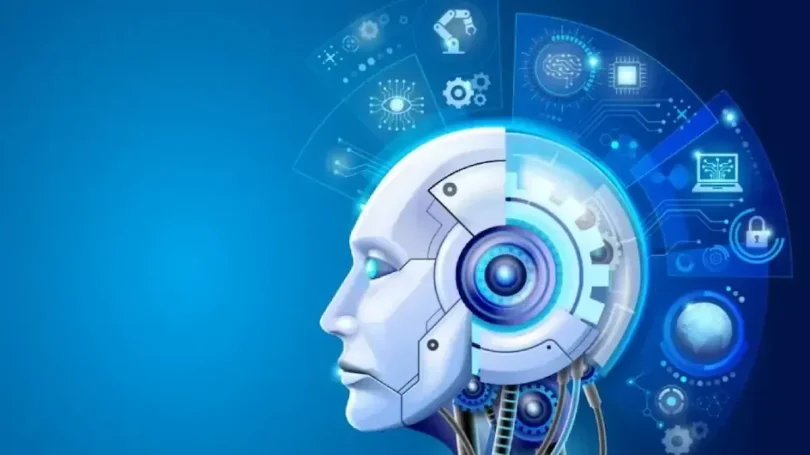

In today’s fast-paced digital era, AI and tech innovations are no longer just futuristic ideas—they are actively transforming the way we live, work, and communicate. From virtual assistants in our homes to AI-driven healthcare and self-driving vehicles, these technologies are becoming an integral part of our daily lives. Whether you’re a professional looking to leverage technology, a student curious about the future, or just someone interested in how innovations affect everyday life, understanding AI and tech innovations is essential.
In this article, we’ll explore what AI and tech innovations are, where they’re making the biggest impact, and how you can embrace these advancements to stay ahead in a rapidly evolving world.
What Are AI and Tech Innovations?
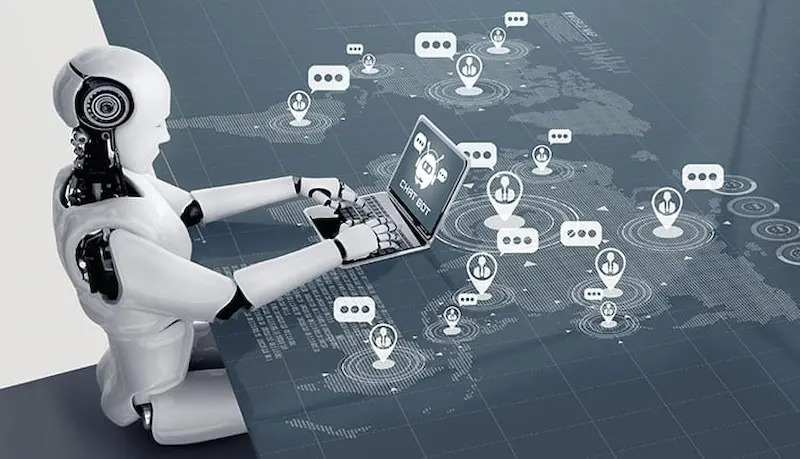
Let’s start with the basics. Artificial Intelligence (AI) is a branch of computer science that enables machines to perform tasks that typically require human intelligence. This includes understanding language, recognizing patterns, solving problems, and making decisions.
Meanwhile, tech innovations are advancements in technology that improve efficiency, productivity, and quality of life. These innovations span a wide range of fields, including software, hardware, robotics, biotechnology, and communications. When combined with AI, tech innovations can create groundbreaking solutions, such as autonomous vehicles, AI-powered medical diagnostics, and personalized digital experiences.
The combination of AI and tech innovations is driving a wave of “smart” solutions that not only make our lives easier but also create entirely new industries and opportunities.
Key Areas Where AI and Tech Innovations Are Transforming Our Lives
AI and tech innovations are no longer confined to research labs—they are everywhere. Let’s look at some major areas where these advancements are reshaping the world:
1. Healthcare and Medicine
AI is revolutionizing healthcare by improving diagnostics, treatment, and patient care. For instance:
- AI imaging analysis: Algorithms can detect cancers, fractures, or other diseases in imaging scans faster and more accurately than traditional methods.
- Predictive analytics: AI can predict patient health risks based on medical history and lifestyle, helping doctors take preventive measures.
- Robotic surgeries: Precision robotics guided by AI assist surgeons in complex operations, reducing human error and recovery time.
These innovations not only improve patient outcomes but also make healthcare more accessible and affordable.
2. Smart Homes and Everyday Life

AI has seamlessly entered our homes and daily routines:
- Smart assistants: Devices like Alexa, Google Assistant, and Siri help manage schedules, control smart appliances, and answer questions instantly.
- Home automation: AI-enabled thermostats, lighting systems, and security cameras adapt to your lifestyle, improving comfort and safety.
- Entertainment and personalization: Streaming services use AI to recommend shows or music tailored to your tastes.
By automating mundane tasks, AI allows us to focus on more meaningful activities.
3. Transportation and Mobility
The transportation industry is undergoing a dramatic shift thanks to AI:
- Autonomous vehicles: Self-driving cars and trucks use AI to navigate, detect obstacles, and make real-time driving decisions.
- Traffic management: AI systems analyze traffic patterns to reduce congestion and improve urban mobility.
- Drones and logistics: Delivery drones powered by AI optimize routes and reduce delivery times.
These technologies promise safer roads, reduced emissions, and more efficient transportation networks.
You may also like to read this:
Launch Startup Successfully – Step-By-Step Guide
Startup Technology Tools: Complete Guide For Entrepreneurs
Emerging Business Trends 2026: Key Insights & Strategies
Future Technology Trends: AI, IoT & Robotics Insights
Top Digital Transformation Trends Shaping Businesses in 2026
4. Business and Industry
AI and tech innovations are not just consumer-facing—they’re revolutionizing business operations:
- Customer service: AI chatbots provide instant support, improving customer satisfaction and reducing response times.
- Marketing: AI analyzes customer behavior to deliver personalized marketing campaigns.
- Operations and automation: AI-powered tools streamline supply chain management, production planning, and predictive maintenance.
Even small businesses can leverage AI solutions to compete with larger enterprises, leveling the playing field.
5. Education and Learning
AI-driven education technologies are personalizing learning experiences like never before:
- Adaptive learning platforms: These platforms adjust lessons based on a student’s progress and learning style.
- AI tutors: Virtual tutors provide guidance, feedback, and additional practice for students.
- Virtual classrooms and e-learning: AI helps facilitate online education, making it accessible to anyone with an internet connection.
Education is becoming more flexible, inclusive, and tailored to individual needs.
6. Environmental and Sustainability Solutions
AI and technology innovations are helping address some of the world’s biggest challenges:
- Climate modeling: AI predicts environmental changes and natural disasters, helping governments plan better.
- Smart agriculture: AI sensors monitor soil, water, and crop health to improve yield and reduce waste.
- Energy management: Smart grids powered by AI optimize energy use, reducing carbon footprints.
These innovations contribute to a more sustainable and eco-friendly future.
How AI and Tech Innovations Impact Society
While the benefits are immense, AI and tech innovations also raise important societal questions:
- Ethical concerns: How should AI make decisions in critical situations, like healthcare or law enforcement?
- Privacy and security: AI often requires large amounts of data, raising concerns about data protection and surveillance.
- Job displacement: Automation can replace repetitive jobs, requiring workforce reskilling and adaptation.
Being aware of these challenges and adopting responsible practices is essential for harnessing technology positively.
The Future of AI and Tech Innovations
The pace of technological advancement is accelerating. Experts predict that in the near future:
- AI will integrate more deeply into daily life, powering smart cities, personalized medicine, and next-gen education.
- Advanced robotics will transform industries like construction, logistics, and healthcare.
- Human-AI collaboration will redefine creativity, problem-solving, and innovation across all sectors.
To thrive in this environment, staying curious, informed, and adaptable is key.
How You Can Embrace AI and Tech Innovations
Here are some actionable tips to make the most of AI and technology in your personal and professional life:
- Educate yourself: Take online courses on AI, machine learning, or digital innovation.
- Experiment with tools: Try AI-powered apps, productivity tools, or smart devices.
- Stay informed: Follow tech news and ethical debates around AI and automation.
- Network and collaborate: Engage with tech communities, conferences, and online forums.
- Focus on adaptability: Learn new skills and stay open to change, as the tech landscape evolves rapidly.
FAQs About AI and Tech Innovations
Q1: Can AI replace humans completely?
A: AI can automate certain tasks, but humans remain essential for creativity, critical thinking, and decision-making. AI is a tool to augment human abilities, not replace them entirely.
Q2: Are AI-powered devices safe to use?
A: Most AI devices are designed with security in mind. However, it’s important to follow best practices to protect personal data and privacy.
Q3: How can businesses benefit from AI?
A: AI helps businesses automate operations, personalize marketing, analyze customer behavior, and improve decision-making, making them more efficient and competitive.
Q4: Will AI innovations impact job markets?
A: Some jobs may be automated, but AI also creates new opportunities in tech, data analysis, AI ethics, and human-AI collaboration. Reskilling is crucial.
Conclusion
AI and tech innovations are transforming our world in unprecedented ways. From healthcare to transportation, education to business, these technologies are creating smarter, more efficient, and more personalized solutions. While challenges like ethics and privacy remain, embracing innovation with awareness can help individuals and society thrive.
By learning, experimenting, and staying adaptable, anyone can take advantage of the opportunities offered by AI and tech innovations—and be part of shaping a smarter, more connected future.


