
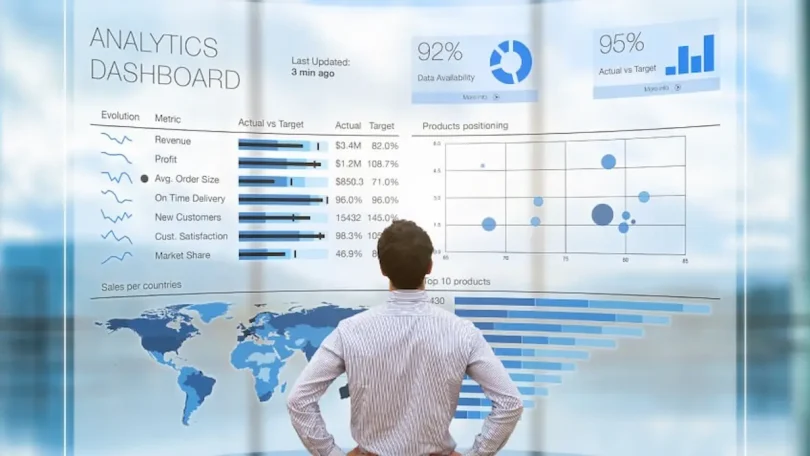

In today’s fast-paced corporate world, understanding business analytics trends is more crucial than ever. Businesses no longer rely solely on intuition or past experiences—they rely on data to drive decisions, improve efficiency, and stay ahead of the competition. From predictive models to AI-powered insights, analytics is transforming every aspect of business operations.
In this article, we’ll explore the latest business analytics trends in 2026, why they matter, and how organizations can leverage them to gain a competitive edge. We’ll break down complex concepts into simple, actionable insights so that even if you’re not a data scientist, you can understand and apply them.
1. AI-Powered Analytics

Artificial Intelligence (AI) is revolutionizing business analytics. One of the top business analytics trends today is integrating AI to process massive amounts of data and identify patterns that humans may overlook. AI algorithms can analyze customer behavior, detect anomalies in operations, optimize pricing strategies, and even predict future trends.
For example, an e-commerce company can use AI to analyze purchase history and browsing behavior to recommend personalized products to customers. Similarly, AI-driven analytics can help financial institutions detect fraud by analyzing transaction patterns in real-time.
The power of AI lies in its ability to turn raw data into actionable insights at speed and scale, giving businesses a distinct advantage in decision-making.
2. Predictive and Prescriptive Analytics
While traditional analytics focuses on reporting historical data, predictive and prescriptive analytics are changing the game:
- Predictive Analytics uses historical data and statistical algorithms to forecast future outcomes. For instance, a retailer can predict which products will be in high demand during a specific season.
- Prescriptive Analytics goes a step further by recommending actions based on predictions. It can suggest the best course of action to maximize profit, reduce costs, or improve customer satisfaction.
By combining predictive and prescriptive analytics, organizations can make data-driven decisions proactively instead of reacting to trends after the fact. This trend is particularly valuable in supply chain management, marketing, and financial planning.
3. Real-Time Analytics
Businesses are no longer satisfied with monthly or weekly reports. Real-time analytics allows organizations to monitor performance, customer behavior, and operational efficiency instantly.
For example:
- A logistics company can track delivery vehicles in real time, optimizing routes and reducing delays.
- E-commerce platforms can monitor customer interactions live to offer timely promotions or discounts.
- Manufacturing firms can identify production bottlenecks as they happen, preventing costly downtime.
The shift toward real-time analytics ensures faster decision-making, more responsive operations, and better customer experiences.
4. Data Democratization
Another key business analytics trend is making data accessible to employees at all levels—a process known as data democratization. Traditionally, data analysis was limited to analysts or IT teams. Now, modern tools with intuitive dashboards, drag-and-drop functionality, and natural language queries empower non-technical employees to extract insights on their own.
Data democratization encourages a data-driven culture across the organization. Teams can quickly respond to market changes, identify growth opportunities, and innovate without waiting for specialized analysts.
5. Cloud-Based Analytics
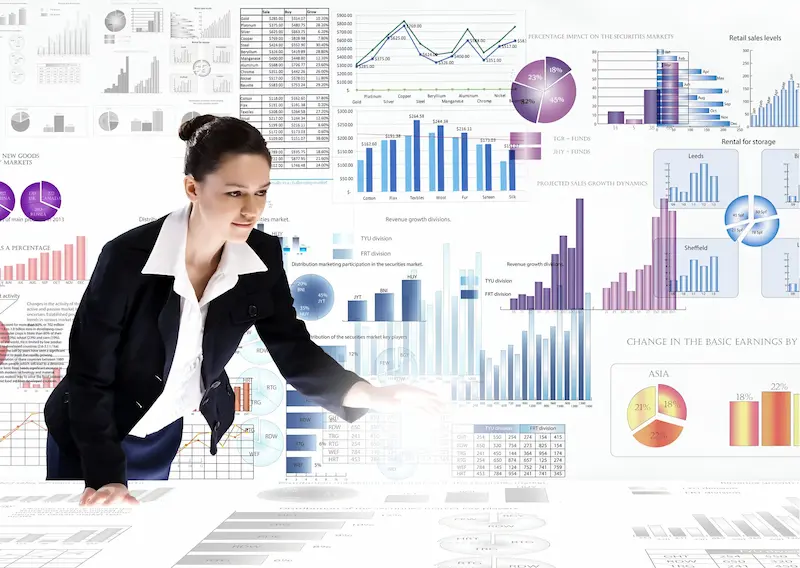
Cloud computing has reshaped how businesses handle data. Cloud-based analytics allows organizations to store, process, and analyze large datasets without investing in costly on-premise infrastructure.
Key benefits include:
- Scalability: Easily scale your analytics capabilities as data grows.
- Collaboration: Teams can access dashboards and reports from anywhere, improving coordination.
- Integration: Cloud platforms often integrate seamlessly with AI, IoT, and machine learning tools, enhancing analytic capabilities.
This trend is especially useful for small and medium businesses that want enterprise-level analytics without heavy capital expenditure.
6. Emphasis on Data Privacy and Governance
With growing regulations like GDPR, CCPA, and other data privacy laws, businesses are focusing on data governance and compliance. Organizations must ensure data is accurate, secure, and used responsibly.
Analytics platforms now include features to:
- Maintain data lineage and track changes.
- Automate compliance checks.
- Protect sensitive information while still allowing insights extraction.
Focusing on governance ensures that businesses can build trust with customers while leveraging analytics safely and ethically.
7. Augmented Analytics
Augmented analytics is one of the most exciting trends in 2026. By combining AI and human expertise, these platforms automate data preparation, insight discovery, and visualization.
Benefits include:
- Automatically uncovering trends and anomalies.
- Reducing manual data wrangling and errors.
- Helping business leaders focus on strategy rather than data cleaning.
For example, a marketing manager can use augmented analytics to understand campaign performance in minutes instead of days, freeing time for creative decision-making.
You may also like to read this:
Effective Business Growth Strategies To Boost Your Revenue
Digital Business Insights: Drive Smarter Decisions With Data
Corporate Strategy Tips: Expert Guide To Business Growth
Actionable Small Business Insights For Entrepreneurs
8. Integration of IoT Data
The rise of the Internet of Things (IoT) is generating unprecedented amounts of data. IoT analytics is now a major business analytics trend, enabling businesses to:
- Monitor equipment performance in real time.
- Optimize supply chain operations.
- Improve customer experiences through smart devices.
For instance, smart appliances can send usage data back to manufacturers, allowing them to predict maintenance needs or enhance product features based on real-world usage.
9. Natural Language Processing (NLP) in Analytics
Natural Language Processing is changing how businesses interact with analytics platforms. With NLP-powered analytics, employees can ask questions in plain language and receive insights instantly.
For example, instead of writing complex SQL queries, a sales manager can ask:
“What were our top-selling products in the last quarter?”
The analytics tool will provide charts, reports, and actionable insights immediately.
10. Focus on Sustainability Analytics
Sustainability is becoming a key business priority. Organizations are using analytics to track carbon footprints, energy consumption, and supply chain sustainability.
Sustainability analytics helps businesses:
- Reduce operational costs.
- Meet environmental regulations.
- Promote eco-friendly practices to customers and stakeholders.
This trend not only supports corporate social responsibility but also creates long-term value for businesses.
FAQs About Business Analytics Trends
Q1: What is the main purpose of business analytics?
Business analytics helps organizations transform data into actionable insights for smarter decision-making, efficiency improvements, and future forecasting.
Q2: Which industries benefit most from business analytics trends?
While almost all industries benefit, retail, healthcare, finance, logistics, and manufacturing are leading adopters.
Q3: What are the best tools for business analytics in 2026?
Some of the most popular tools include Tableau, Power BI, Qlik, SAS, Google Cloud AI, and Microsoft Azure Machine Learning.
Q4: How can small businesses implement these trends?
Small businesses can leverage cloud-based platforms, AI-powered dashboards, and predictive analytics tools to make data-driven decisions without large investments.
Q5: How does AI improve business analytics?
AI processes large volumes of data quickly, identifies patterns, predicts trends, and recommends actions, reducing errors and saving time for decision-makers.
Conclusion
Staying updated with business analytics trends is essential for any organization aiming to succeed in 2026. From AI-driven insights and real-time analytics to augmented and IoT-powered data, these trends are shaping how companies make decisions, optimize operations, and serve customers.
Businesses that embrace these trends not only stay competitive but also create smarter, more efficient, and future-ready operations. In a world where data drives everything, understanding and implementing these trends will separate leaders from laggards.


