

In the modern business world, staying competitive isn’t just about offering great products or services anymore. Companies are realizing that embracing technology is crucial for growth, efficiency, and customer satisfaction. This is where digital transformation trends come into play. Digital transformation means integrating digital technologies into every area of a business, fundamentally changing how you operate and deliver value to customers.
Whether you are a small business owner, a startup founder, or a corporate leader, understanding the latest trends in digital transformation can help you stay ahead of the curve and make smarter decisions. Let’s explore the most important trends shaping 2026 in detail.
1. Artificial Intelligence (AI) and Machine Learning
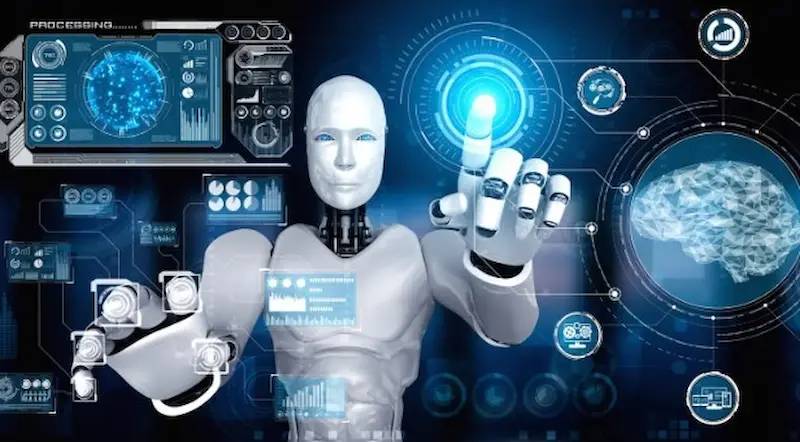
Artificial Intelligence has become one of the most significant digital transformation trends in recent years. AI allows businesses to automate complex tasks, analyze data faster, and predict future outcomes.
How AI is Transforming Businesses:
- Customer Service: AI-powered chatbots handle thousands of customer queries 24/7, providing instant support and freeing up human employees for higher-level tasks. For example, banks and e-commerce platforms use AI to provide personalized recommendations.
- Predictive Analytics: AI can analyze historical data to forecast demand, sales trends, or even equipment failure. Manufacturing companies, for instance, use AI to predict machinery breakdowns, reducing downtime.
- Marketing Automation: AI tools segment customers based on behavior and preferences, enabling hyper-personalized campaigns that increase engagement.
Trend Insight: Businesses that adopt AI early are not just gaining efficiency—they’re building smarter strategies and improving customer satisfaction at scale.
2. Cloud Computing and Hybrid Work
Cloud technology has been a game-changer for businesses, enabling them to operate efficiently from anywhere. The COVID-19 pandemic accelerated cloud adoption, but this trend continues to evolve.
Key Advantages of Cloud Adoption:
- Remote Accessibility: Employees can access tools, data, and applications from any location, enabling hybrid work models.
- Scalability: Businesses can scale their infrastructure up or down depending on demand without heavy upfront investment.
- Collaboration: Cloud-based platforms like Microsoft 365 or Google Workspace improve team collaboration and project management.
Hybrid Cloud Trend: Many businesses now combine private and public cloud solutions for better control, security, and flexibility. For instance, sensitive financial data may be stored on a private cloud, while general applications are hosted on a public cloud.
3. Internet of Things (IoT)
IoT is another major digital transformation trend, connecting physical devices to the internet and enabling data collection and automation.
Real-World Applications:
- Smart Manufacturing: Sensors on machinery monitor performance in real-time, reducing maintenance costs and preventing breakdowns.
- Healthcare: IoT devices track patient vitals remotely, improving care and reducing hospital visits.
- Retail: Smart shelves and RFID tags help track inventory and customer behavior, optimizing store operations.
Trend Insight: Businesses leveraging IoT gain valuable insights from real-time data, which improves operational efficiency and customer experience.
4. Cybersecurity Focus
As businesses go digital, cybersecurity has become more critical than ever. Cyberattacks are growing in frequency and sophistication, making security a core part of digital transformation.
Key Cybersecurity Trends:
- Zero-Trust Architecture: This model assumes every device or user could be a threat, enforcing strict identity verification and access control.
- AI in Security: AI helps detect unusual activity, phishing attempts, and potential breaches faster than humans can.
- Employee Training: Many breaches happen due to human error, so educating employees about safe practices is crucial.
Trend Insight: Companies investing in cybersecurity not only protect themselves but also build trust with clients, which is invaluable for long-term business success.
5. Data-Driven Decision Making

Data is now at the heart of business strategy. Collecting and analyzing data allows companies to make smarter, faster, and more informed decisions.
How Businesses Use Data:
- Real-Time Analytics: Dashboards display real-time KPIs, helping managers adjust strategies quickly.
- Predictive Modeling: Data is used to forecast customer behavior, optimize pricing, and anticipate trends.
- Customer Insights: Businesses can understand what customers want, when they want it, and how they interact with products or services.
Trend Insight: The move toward real-time and actionable insights is reshaping industries, making businesses more proactive than reactive.
6. Low-Code and No-Code Platforms
Not every business has access to a large development team. Low-code and no-code platforms allow anyone—even non-technical staff—to build apps and automate processes.
Benefits of Low-Code/No-Code Solutions:
- Rapid Development: Ideas can be transformed into functional applications in days rather than months.
- Cost Savings: Reduces the need for expensive developers.
- Empowered Employees: Non-technical staff can create solutions themselves, improving agility.
Trend Insight: Low-code and no-code platforms are democratizing digital transformation, allowing small and medium businesses to innovate quickly.
You may also like to read this:
New Business Guide – Step-By-Step Plan For Entrepreneurs
Launch Startup Successfully – Step-By-Step Guide
Startup Technology Tools: Complete Guide For Entrepreneurs
Emerging Business Trends 2026: Key Insights & Strategies
Future Technology Trends: AI, IoT & Robotics Insights
7. Enhanced Customer Experience (CX)
Digital transformation is ultimately about serving customers better. Businesses are using technology to create seamless, personalized, and engaging experiences.
Ways Technology Improves CX:
- Omnichannel Engagement: Customers can interact with brands via websites, apps, social media, or in-store devices, with consistent experiences.
- Personalized Recommendations: AI analyzes past interactions to suggest products or services tailored to each customer.
- Frictionless Payments: Mobile wallets and contactless payments streamline purchases, making the customer journey smoother.
Trend Insight: Companies prioritizing customer experience see higher retention rates, stronger loyalty, and better word-of-mouth marketing.
8. Sustainable and Green Technology
Sustainability is becoming a key aspect of digital transformation. Companies are integrating technology to reduce environmental impact.
Examples of Green Tech in Business:
- Energy-Efficient Cloud Services: Businesses are moving to cloud providers using renewable energy.
- Paperless Processes: Digital documentation reduces waste and improves efficiency.
- Sustainable Supply Chains: IoT and analytics help monitor emissions, waste, and resource usage.
Trend Insight: Sustainable practices not only protect the environment but also enhance brand reputation and appeal to eco-conscious consumers.
9. Automation and Robotics
Automation, powered by AI and robotics, is transforming operations across industries.
Where Automation Excels:
- Manufacturing: Robots perform repetitive tasks efficiently, reducing errors.
- Finance: Automated invoicing, reconciliation, and reporting save time.
- Logistics: Autonomous vehicles and warehouse robots optimize delivery and inventory management.
Trend Insight: Automation improves efficiency, reduces costs, and allows human employees to focus on higher-value work.
FAQs About Digital Transformation Trends
Q1: What is digital transformation in simple terms?
A: Digital transformation is the process of using digital technology to change how businesses operate and deliver value to customers.
Q2: Why are digital transformation trends important?
A: Trends help businesses adopt new technologies, remain competitive, and meet customer expectations.
Q3: How can small businesses keep up with digital transformation?
A: Start with affordable cloud solutions, automation tools, data analytics, and customer-focused platforms, then scale gradually.
Q4: What’s the future of digital transformation?
A: It will be AI-driven, data-centric, sustainable, and customer-focused, with seamless integration across devices and platforms.
Conclusion
The era of digital transformation is here, and businesses that ignore these trends risk falling behind. By embracing AI, cloud computing, IoT, cybersecurity, data analytics, and customer-centric strategies, companies can improve efficiency, innovate faster, and deliver exceptional experiences.
Understanding and implementing digital transformation trends isn’t just about technology—it’s about preparing your business for a smarter, faster, and more connected future. Whether you’re a startup or an enterprise, the time to act is now.


